



Ireland’s New Vape Tax (From Nov 2025): What It Means for Your E-Liquid Costs

Starting 1 November 2025, the vaping landscape in Ireland is changing, and not in small ways. The national government is introducing a new excise duty on e-liquid products. Officially known as the E‑Liquid Products Tax (EPT), the tax applies a flat rate of €0.50 per milliliter on all e-liquids, whether they contain nicotine or not.
For consumers and retailers alike, including e-liquid vendors, regular vapers, and refill-system users, this is a game changer. Here’s how the numbers shake out, what to expect, and what you might want to watch out for (or act on) if you vape in Ireland.
What the Tax Will Do to Prices: Expect Big Jumps
Because the tax is volumetric, per milliliter, the price changes are substantial, especially for popular sizes like 10 ml bottles or shortfills.
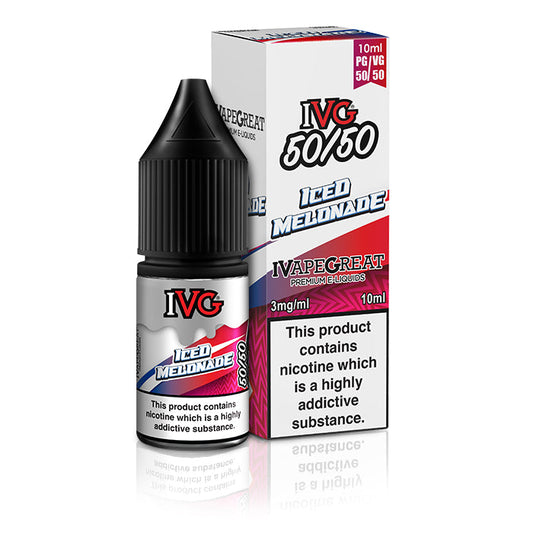
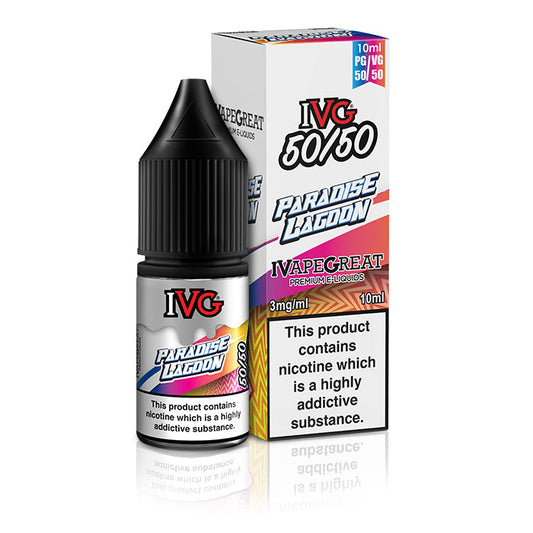
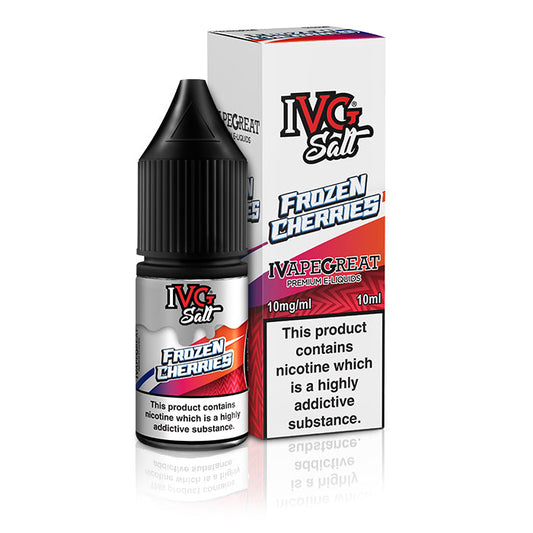
- A 10 ml bottle of e-liquid now picks up an extra €5 in duty, before VAT and retailer markup. For example, a 10 ml bottle that cost around €5 could now land at roughly €11.15+ after tax and VAT.
- Disposable vapes (or small 2 ml units) aren’t spared: they’ll typically see an added €1 per unit, which means a disposable that once cost ~€8 may now cost ~€9–€9.50 (plus VAT & markup).
- Larger-volume shortfills or bulk bottles, used by DIYers or heavy vapers, will become significantly more expensive, especially considering the linear scaling of the tax with liquid volume.
In short: for many vapers, especially those who refilled often or used larger bottles, the cost of continuing the habit will increase sharply, potentially doubling the cost of e-liquids for regular users.
Why the Government Did It, Public Health and Harm-Reduction Arguments
According to the authorities (notably Revenue Commissioners, via the national finance ministry), EPT is part of a broader effort to curb vaping, especially among younger populations, and align vaping product regulation with broader tobacco-control strategies.
Because the tax applies to all e-liquids, nicotine or non-nicotine, the idea appears to be making vaping more expensive generally, discouraging casual or under-age use, not just heavy nicotine consumption.
This is consistent with public health concerns expressed in recent discussions about vaping’s rise among teens and young adults, and the risk that nicotine (or even just the habit of vaping) becomes normalized.
Who’s Hit Hardest: A Look at Different User Types
Not all vapers will feel the pain equally. The impact depends heavily on your vaping habits, device type, and liquid volume use.
- Refill-system users & DIYers: Probably the hardest hit. Those buying 10 ml, 30 ml, or larger bottles will see sharp price increases. Heavy users or those mixing their own e-liquid will find vaping far more expensive than before.
- Casual or occasional vapers using disposables: They’ll see price bumps too, but in absolute terms, the increase is smaller per unit (an extra €1 or so). For many, this may sting but remain manageable.
- Shops & small retailers importing or mixing stock: Because tax applies on first supply in Ireland (importers/manufacturers/distributors), not downstream retailers, costs will likely pass down the chain. Some small businesses may struggle with margins or compliance burdens.
What This Means for Retailers, Consumers, and the Market
For Retailers
- Ensure compliance with registration and reporting requirements as per EPT law. Suppliers importing or manufacturing e-liquids must register with Revenue, self-assess, and pay tax on first supply.
- Expect demand shifts: cheaper disposables may remain somewhat popular, but refillable and larger bottles may see a drop in regular use, or some customers may gravitate toward low-volume disposable use instead of bulk bottles.
- Transparency will matter: consumers may compare pre-tax vs post-tax prices and expect clear labelling, especially on volume vs cost.
For Consumers
- If you vape only occasionally or use disposables, costs will rise, but possibly remain acceptable.
- If you rely on refillable vapes or large-volume e-liquids, be prepared for price hikes. Vaping could become significantly more expensive, especially for frequent users.
- Some traditional smokers might see reduced incentive to switch to vaping, if costs get too high, ironically undermining harm-reduction arguments that promoted vaping as a ‘less harmful alternative.’
For the Market & Broader Vaping Culture
- The tax might deter casual or youth vaping, which seems to be a goal of the lawmakers.
- But there are risks: as costs rise, black-market or grey-market products might grow; DIY mixing may surge among price-conscious former smokers; demand for unregulated sources (import from EU or overseas) may rise.
- Vaping might increasingly split into two, ‘budget/disposable vapers’ vs ‘premium/occasional vapers’, which could reshape product offerings, brand strategies, and consumer expectations.
A Skeptical Take, Will This Tax Actually Work as Intended?
From a critical standpoint, the tax may have unintended consequences. Governments often hope price hikes will reduce use, but when you tax something like e-liquid, you risk pushing users toward:
- Cheaper, lower-quality alternatives (possibly unregulated),
- DIY mixing (which may carry safety risks), or
- Back to traditional smoking, if vaping becomes too expensive.
Further, while the tax aims to curb youth and casual vaping, it also penalizes adult, nicotine-free or low-nicotine vapers who perhaps switched from smoking to avoid harm. The blanket nature of the tax, nicotine or no nicotine, disposable or refillable, seems blunt, lacking nuance.
Finally, given that importation or distribution could shift outside the regulated supply chain (or underground), the policy might backfire: instead of reducing vaping usage, it could undermine quality control and increase unregulated consumption.
In other words, this might be a policy suited for headlines and budgets, but its effectiveness for public health remains uncertain, especially when weighed against unintended ripple effects.
What Vapers (or Retailers) in 2025 Should Consider
- If you’re a frequent vaper using refillable or bulk bottles: consider reducing volume usage, switching to smaller bottles, or rethinking vaping frequency.
- If you run a shop: update your pricing, stock levels, and supplier registration to comply with EPT, and consider communicating clearly with customers about price changes.
- For occasional or casual users: plan for higher per-unit costs; you might shift to lower-volume vapes or reconsider consumption habits.
- Everyone should pay attention to potential knock-on effects: black-market risks, DIY mixing, or increased smoking relapse.
Conclusion
The introduction of the E-Liquid Products Tax from 1 November 2025 marks a major shift for vapers and the vaping industry in Ireland. Prices are set to rise significantly, especially for refillable e-liquids and larger-volume bottles, and both retailers and consumers will have to adapt quickly.
Whether the tax will meet its stated goals (reduce youth vaping, encourage healthier behavior) or drive unintended consequences (black market, return to smoking) remains to be seen. But one thing is clear: vaping in Ireland just got a lot more expensive, and that will reshape the market, usage patterns, and perhaps the future of vaping culture in the country.