



Understanding Vape Legislation in Ireland & the EU (2026 Guide)

Vaping regulations across Ireland and the European Union have become more structured over the years, with a clear focus on product safety, consumer protection, and public health. As of 2026, both Irish and EU-level laws influence how vaping products are manufactured, sold, and used. For adult vapers and retailers, understanding these rules is essential to stay compliant and make informed decisions.
The Role of EU Regulations
At the European level, vaping products are primarily regulated under the Tobacco Products Directive, commonly referred to as TPD. This framework sets the foundation for how e-cigarettes and e-liquids are controlled across EU member states, including Ireland.
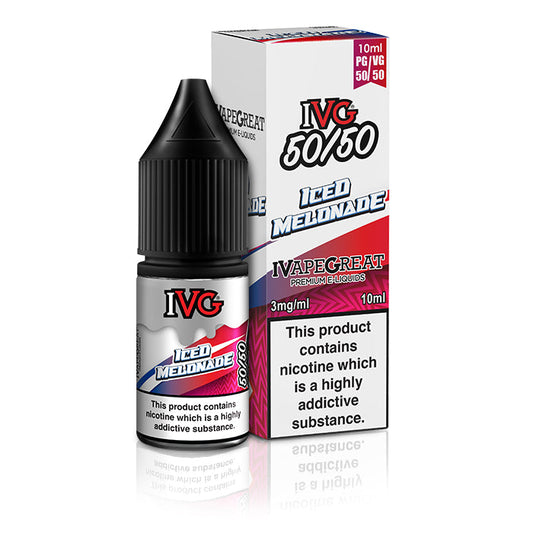
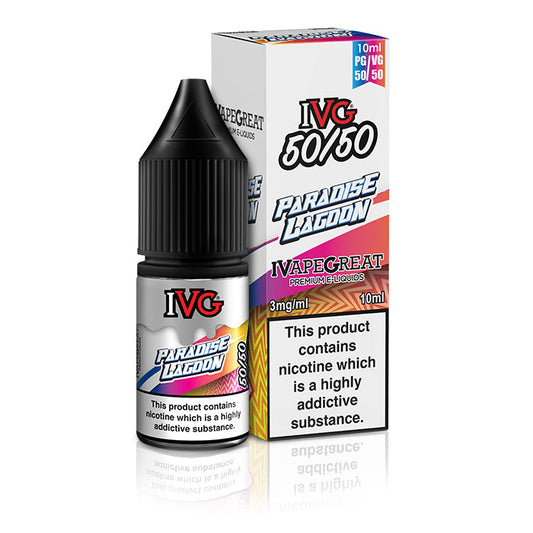
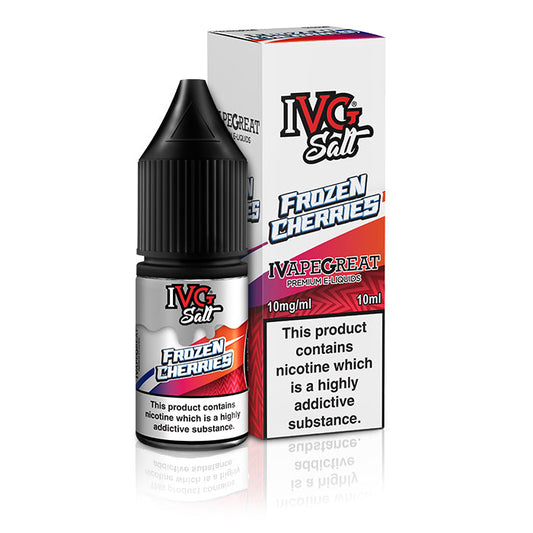
Under TPD rules, e-liquids containing nicotine are limited to a maximum strength of 20 mg/ml. Refill bottles are typically restricted to 10 ml in size, and vape tanks or pods are capped at 2 ml capacity. These limits aim to standardize products and reduce potential risks associated with high nicotine concentrations.
Manufacturers must also comply with strict requirements regarding ingredient reporting, emissions testing, and product notification before selling within the EU. This ensures a baseline level of quality and transparency across the market.
Packaging, Labelling, and Advertising Rules
Packaging and labelling requirements are another key part of vaping legislation. Products must include clear health warnings, ingredient lists, and nicotine content information. Labels must also avoid misleading claims, particularly those suggesting that vaping is completely risk-free.
Advertising restrictions are also in place across the EU. Cross-border advertising of vaping products is generally limited, especially on television, radio, and online platforms that reach multiple countries. These rules are designed to prevent widespread promotion, particularly to younger audiences.
Retailers and brands must ensure that their marketing remains compliant, focusing on factual product information rather than promotional claims that could be considered misleading.
Ireland-Specific Regulations
In addition to EU-wide rules, Ireland has introduced its own national regulations to address local concerns. These include stricter controls on sales, taxation, and potential product bans.
One of the most significant recent developments is the introduction of an excise duty on e-liquids, applying a fixed rate per millilitre. This tax affects both nicotine and non-nicotine liquids and has increased the overall cost of vaping products.
Ireland is also moving toward tighter restrictions on disposable vapes, with legislation aimed at reducing environmental waste and limiting youth access. Retailers are expected to adapt by focusing more on reusable and refillable devices.
Age restrictions remain firmly in place, with the legal age for purchasing vaping products set at 18. Retailers are required to verify age at the point of sale, whether in-store or online.
Product Safety and Compliance
Safety and compliance are central to vaping legislation in both Ireland and the EU. Manufacturers must adhere to quality standards, including limits on certain ingredients and requirements for child-resistant packaging.
Products must be submitted to regulatory authorities before entering the market, ensuring they meet all safety and reporting standards. This process helps reduce the risk of unsafe or untested products reaching consumers.
For buyers, this means that purchasing from reputable and compliant retailers is essential. Products sold through legitimate channels are more likely to meet regulatory standards and provide a safer experience.
How Regulations Affect Vapers
For everyday vapers, these laws shape what products are available and how they are sold. Limits on nicotine strength and bottle size may influence how often users purchase e-liquids, while taxes can affect overall cost.
Restrictions on advertising and product design may also impact the variety of products visible in the market. However, these rules are intended to create a safer and more controlled environment for adult users.
Vapers should also be aware that regulations can change over time, particularly as governments respond to new research and public health concerns.
What This Means for Retailers
Retailers must stay up to date with both EU directives and Irish legislation to remain compliant. This includes ensuring that all products meet TPD standards, applying correct tax rates, and following advertising restrictions.
Clear communication with customers is also important. Providing accurate product information, including nicotine strength and usage guidelines, helps build trust and supports responsible vaping.
Retailers who prioritize compliance and transparency are better positioned to operate successfully in a regulated market.
Final Thoughts
Vape legislation in Ireland and the EU in 2026 reflects a balance between supporting adult smokers seeking alternatives and addressing public health concerns. While regulations may seem restrictive, they play a key role in ensuring product safety, consistency, and responsible use.
For vapers, staying informed about these laws helps avoid confusion and ensures a smoother experience when purchasing and using products. For those looking for compliant products and clear guidance, retailers such as ivapegreatshop.ie provide access to regulated e-liquids and devices, along with helpful information to support informed and responsible vaping choices.